


Image Source: Clarke Hopkins Clarke
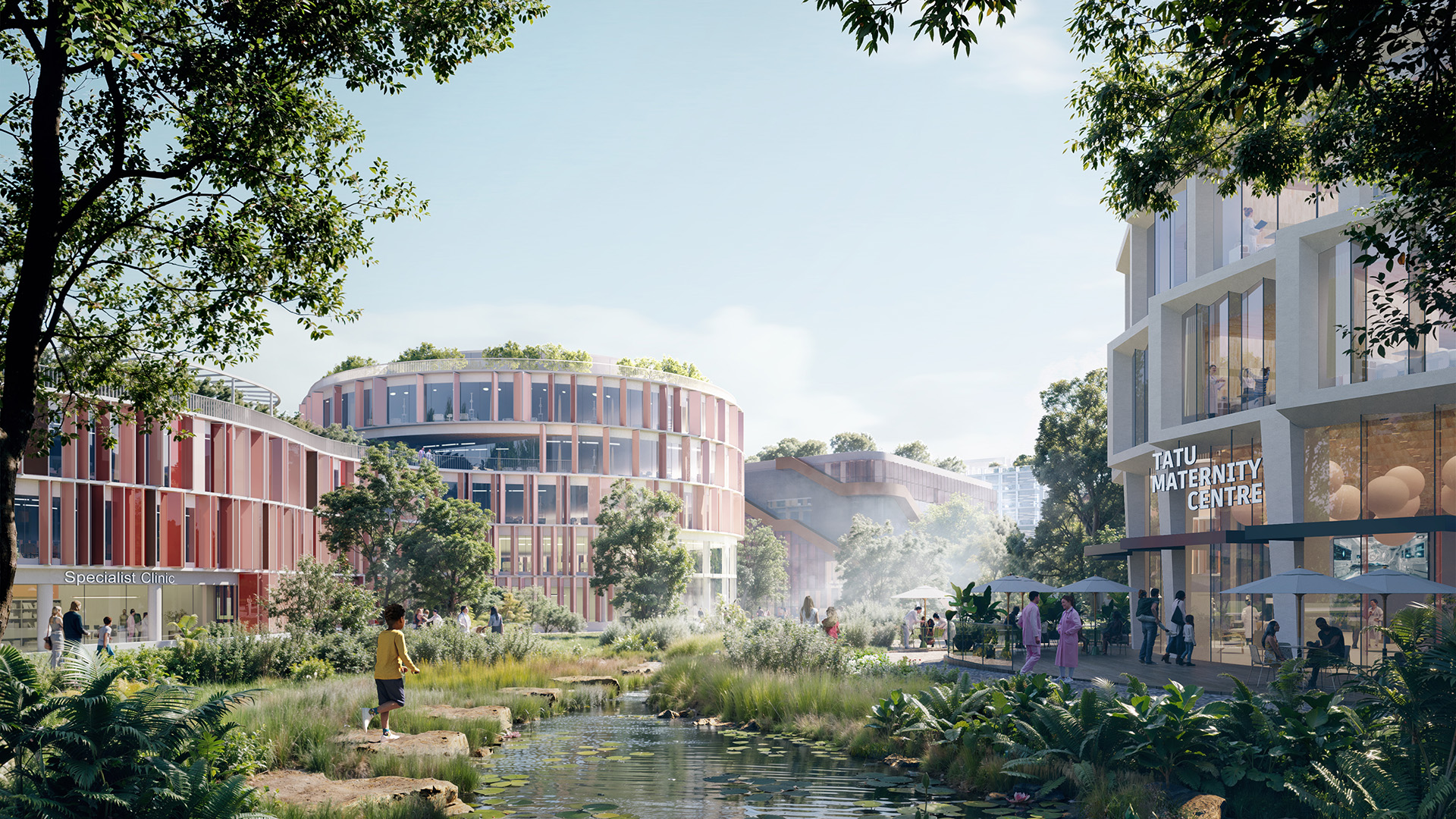
Image Source: Clarke Hopkins Clarke
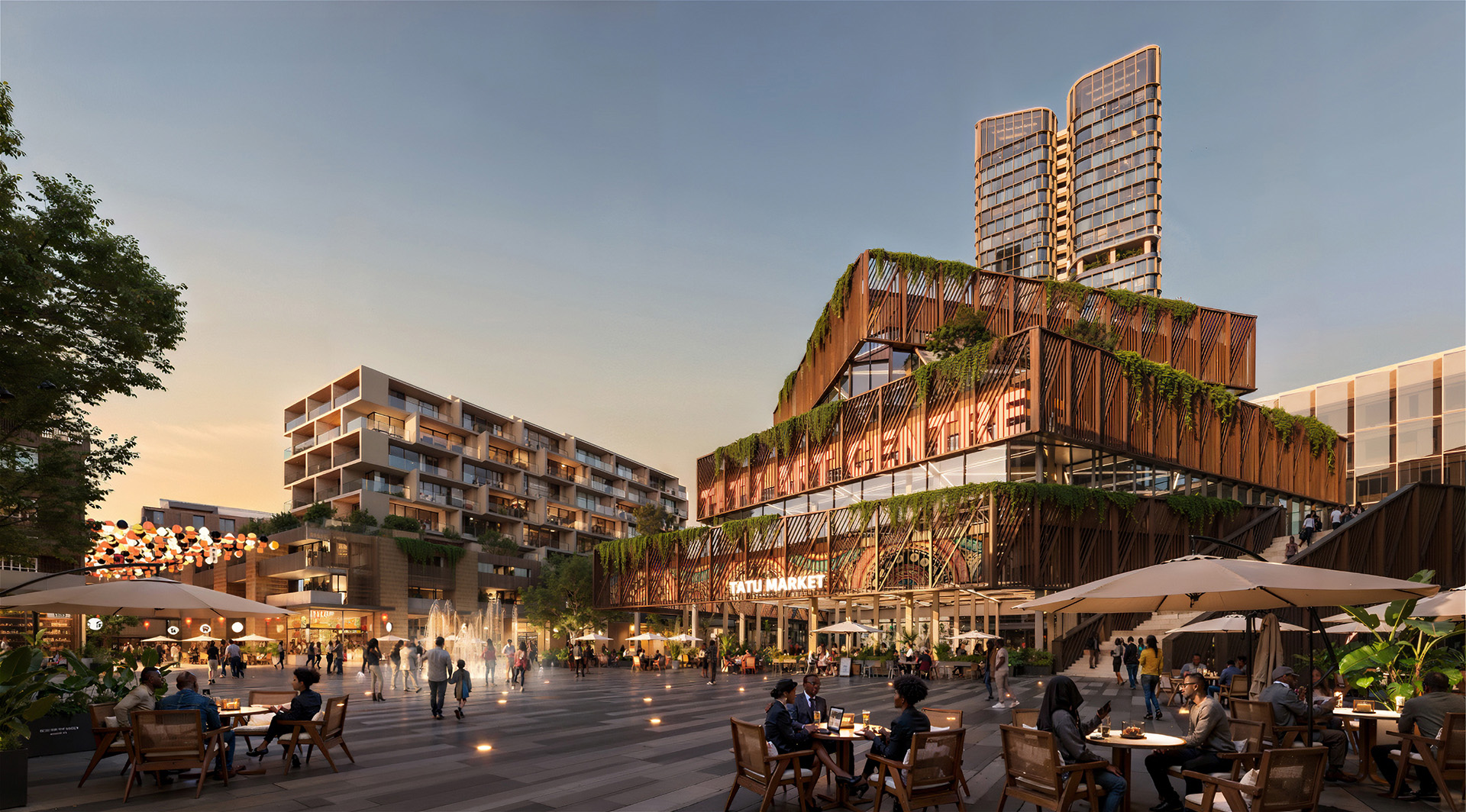
Image Source: Clarke Hopkins Clarke
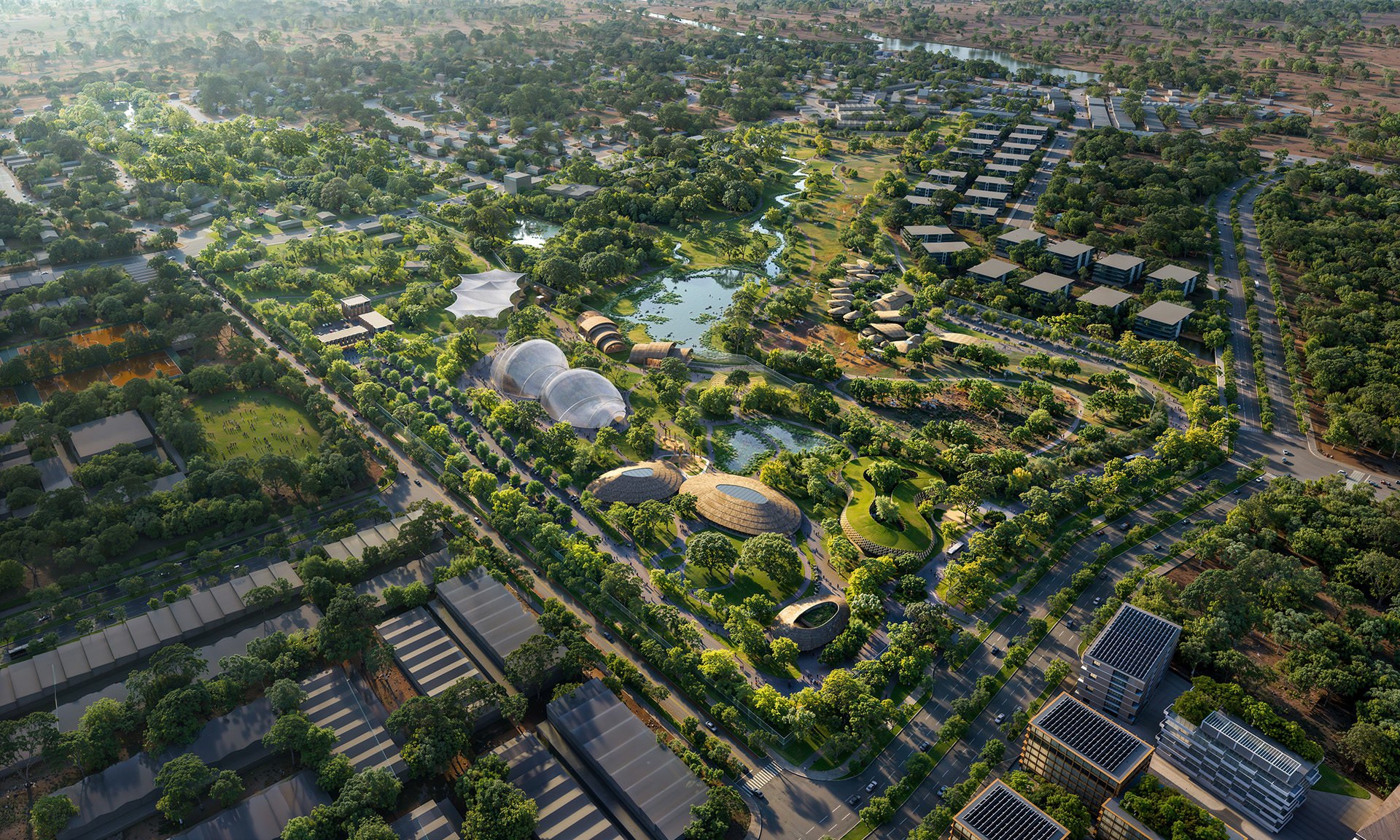
Image Source: Clarke Hopkins Clarke
The project
Tatu City is a master-planned urban development in the vicinity of Nairobi, Kenya, designed to accommodate 250,000 residents. Developed by Rendeavour, whose portfolio includes more than 30,000 acres of land in the urban growth trajectories of major cities across Kenya, Ghana, Nigeria, Zambia and Democratic Republic of Congo, the project represents city-building at an unprecedented scale.
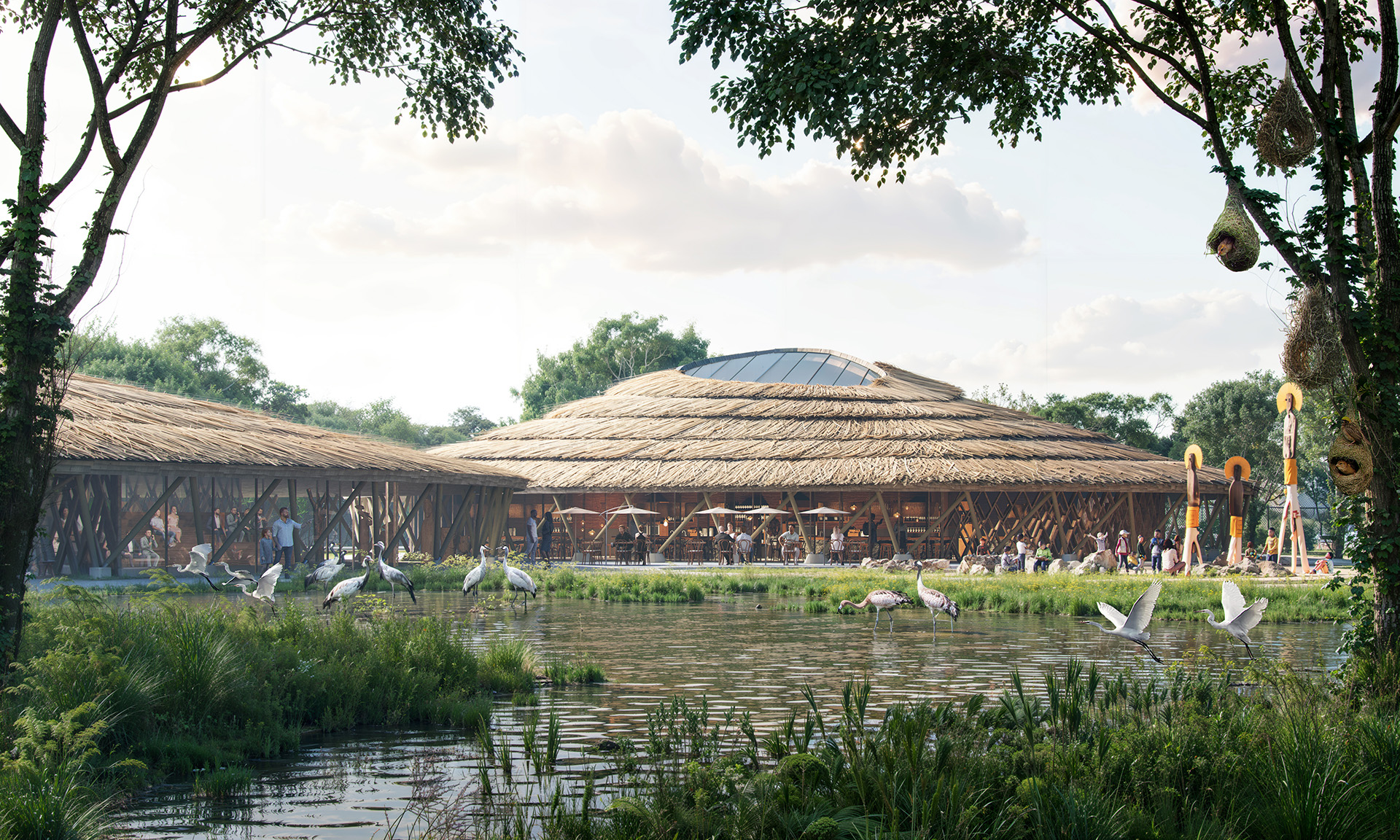
The Open Space Strategy provides a comprehensive framework across the entire city. Unlike project-specific designs, the strategy establishes rules and guidelines for future development, ensuring cohesive implementation at both city and human scale. The strategy addresses the transition from the current 5,000 residents to the projected 250,000-person community, ensuring the infrastructure grows alongside the city itself.
Our work
Landscape Architecture:
Our landscape team developed the landscape framework as part of the broader Open Space Strategy, working alongside Clarke Hopkins Clarke’s to establish a locally specific landscape identity for the city.
We established key landscape goals addressing canopy coverage, native and indigenous planting palettes, and management strategies. Drawing on world-class precedents like the City of Melbourne’s landscape framework, we developed guidelines applicable from street scale through to individual parks.
The strategy honours the site’s history as a coffee plantation, integrating coffee as a central element of the city’s landscape identity and tourism strategy. We prioritised native species to ensure the landscape authentically reflects local context.
Our work included designing a trail network linking major arterial roads, suburbs and open spaces, working with existing wetlands and river systems that run through the site. This network connects the city’s green spaces while respecting and integrating natural features.
The framework balances specificity with feasibility, establishing clear guidelines while ensuring future development remains achievable. Working at city scale from an almost blank slate required extensive collaboration and negotiation to determine realistic landscape goals that align with broader master planning.
Waste Management:
Our waste team developed a comprehensive strategy that considers proposed land uses with associated waste volumes, implications of major land use changes, local regulations and practices, and synergies with existing waste infrastructure and envisaged industry. The strategy identifies resource recovery opportunities that align with Kenya’s existing informal recovery systems and cultural practices.
The strategy addresses three core aspects: waste infrastructure feasibility and specification, waste planning and logistics, and integration with local context. A key priority was ensuring the proposed system respects and builds upon local regulatory frameworks and existing resource recovery practices, rather than importing decontextualised foreign systems.
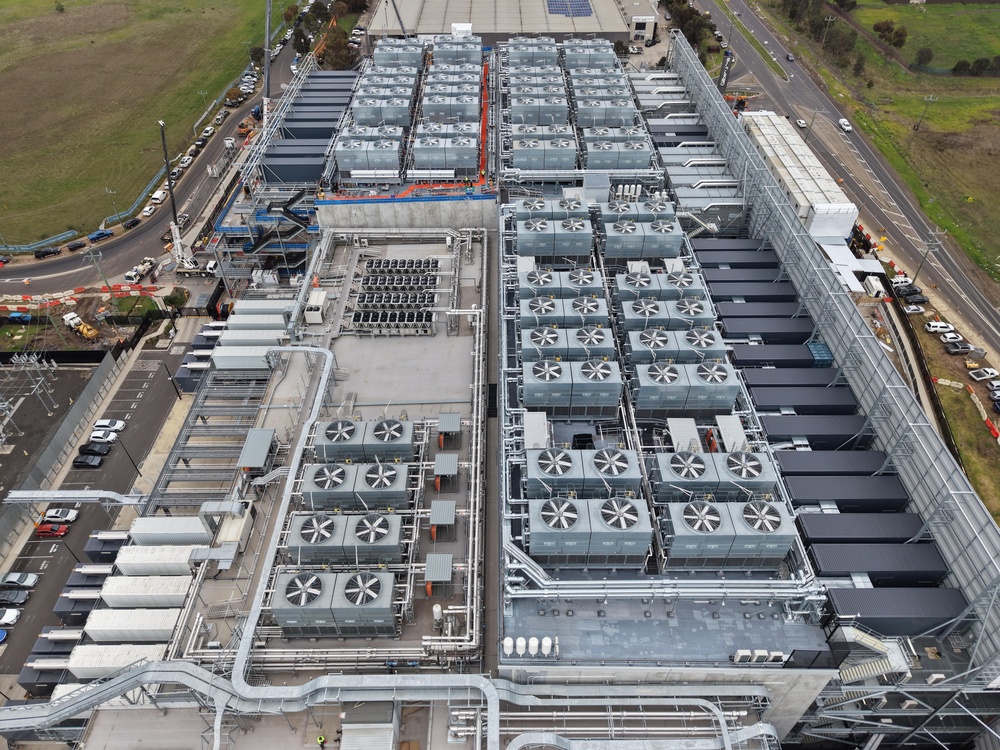
Based on our assessment of proposed access, road networks and land use locations, the strategy incorporates potential locations for key waste and resource recovery infrastructure into the Open Space Strategy. These facilities include composting facilities, textile processing centers, transfer stations and modular waste-to-energy systems, strategically positioned to serve the growing community.
Working at this scale required maintaining focus on high-level strategic planning while resisting the pull toward excessive detail. The breadth of considerations for a project of this magnitude demanded constant attention to the bigger picture and integration with the broader city vision.
Our approach benefited from team members’ direct experience living in Nairobi, ensuring our recommendations respected culturally ingrained local resource recovery and sharing practices. This local knowledge helped us propose an integrated, feasible and practical waste system grounded in the region’s existing context and aligned with Rendeavour’s vision for contextually appropriate development.
Use ⌘/Windows key + scroll to zoom