


Michael Tuck Stand
Source: Architectus
Michael Tuck Stand
Source: Architectus
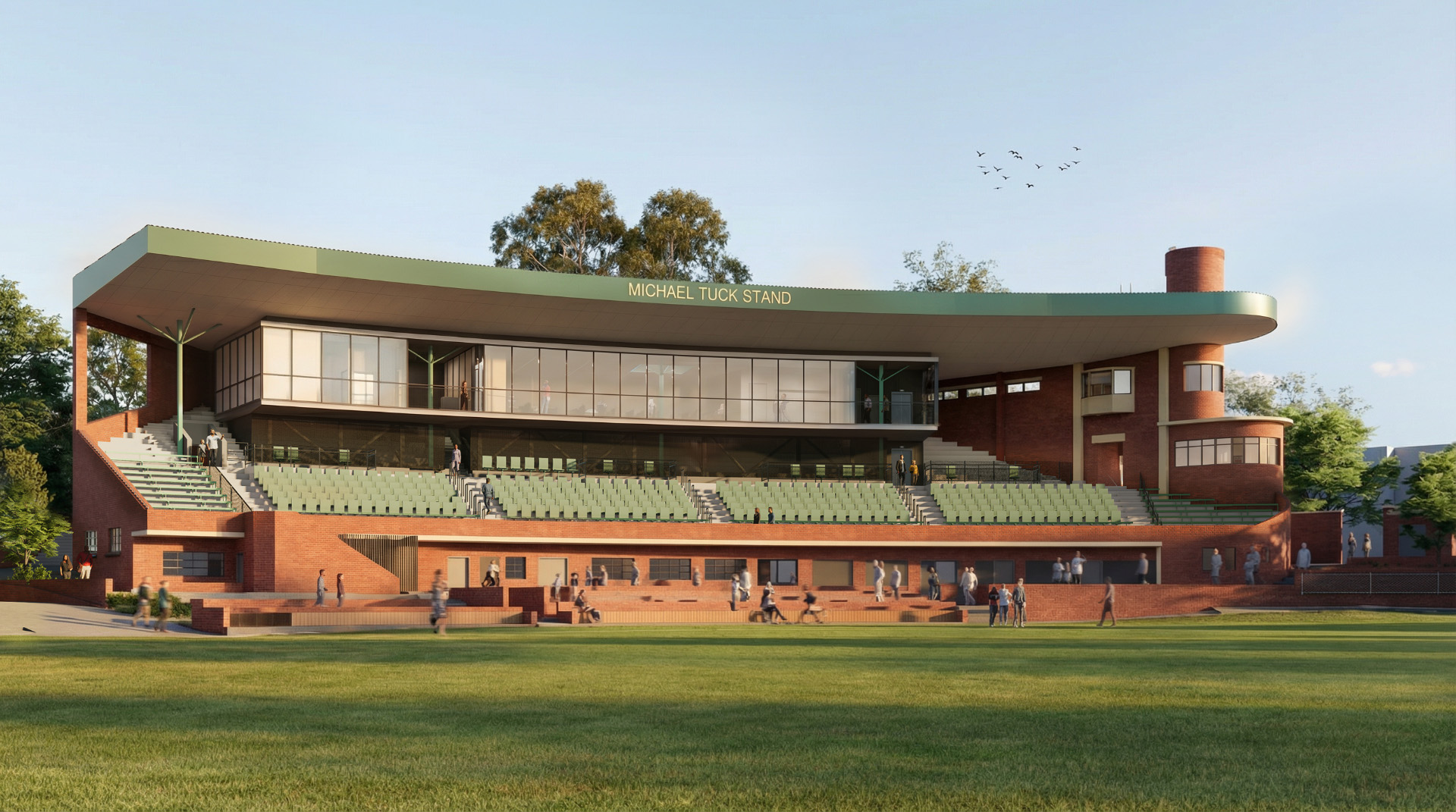
Michael Tuck Stand
Source: Architectus
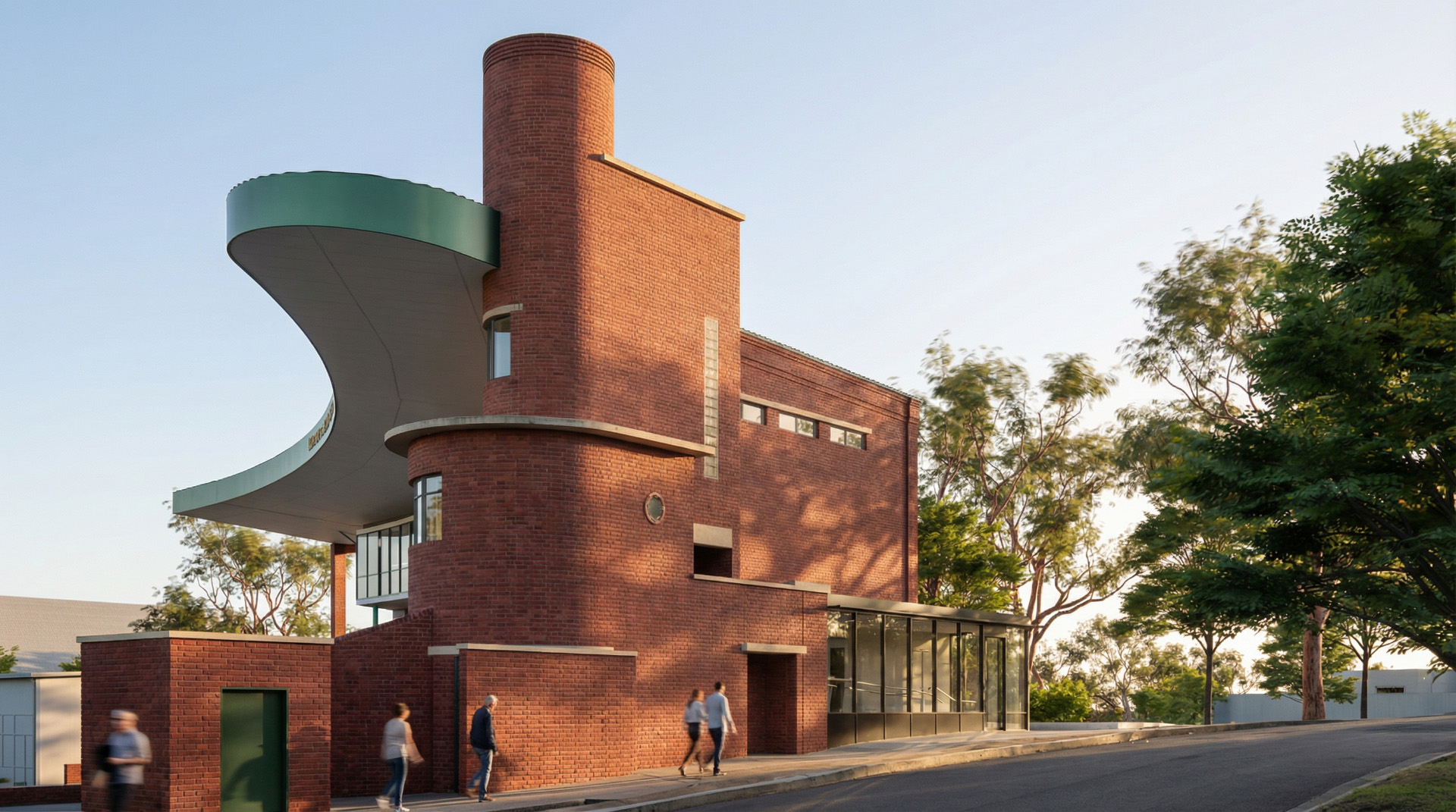
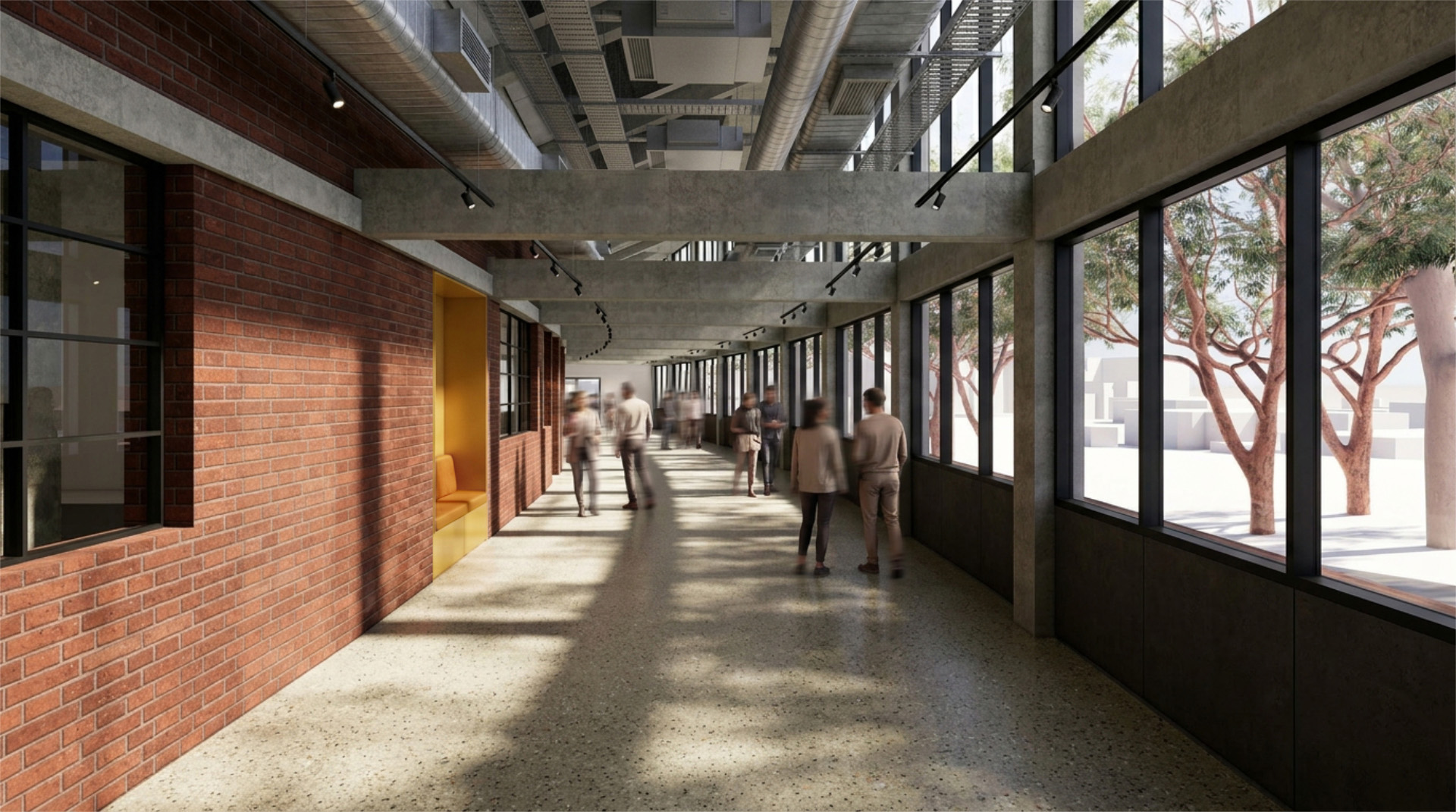
The revitalisation of the iconic Michael Tuck Stand at Glenferrie Oval preserves its distinctive 1930s Moderne form while introducing contemporary additions, including a glazed upper level and new public entry.
The redevelopment improves accessibility and functionality, with female-friendly facilities and inclusive change rooms designed to support greater participation by women and girls in sport.
Ratio was engaged early to assist the project team in navigating the planning pathway and key planning considerations for the proposal. Our advisory role included input on proposed land uses, heritage considerations and opportunities to minimise the need for additional planning permissions beyond the Heritage Victoria approval process.
Our transport team undertook an extensive traffic and parking assessment to understand existing transport conditions within the Glenferrie Oval precinct. Following the assessment, we then undertook a first-principles assessment to estimate future car parking demand and traffic generation associated with the redevelopment, including the potential impacts of these vehicles within the precinct.
We provided advice on key design considerations, including bicycle parking provision and location, a new loading zone and introduction of accessible parking spaces.
Our waste management team reviewed the site’s existing waste management arrangements, including building operations, public-area bin infrastructure and current waste generation.
We developed a tailored waste management system to support expanded activities and increased patron numbers, while aligning with Council’s waste collection requirements.
Use ⌘/Windows key + scroll to zoom